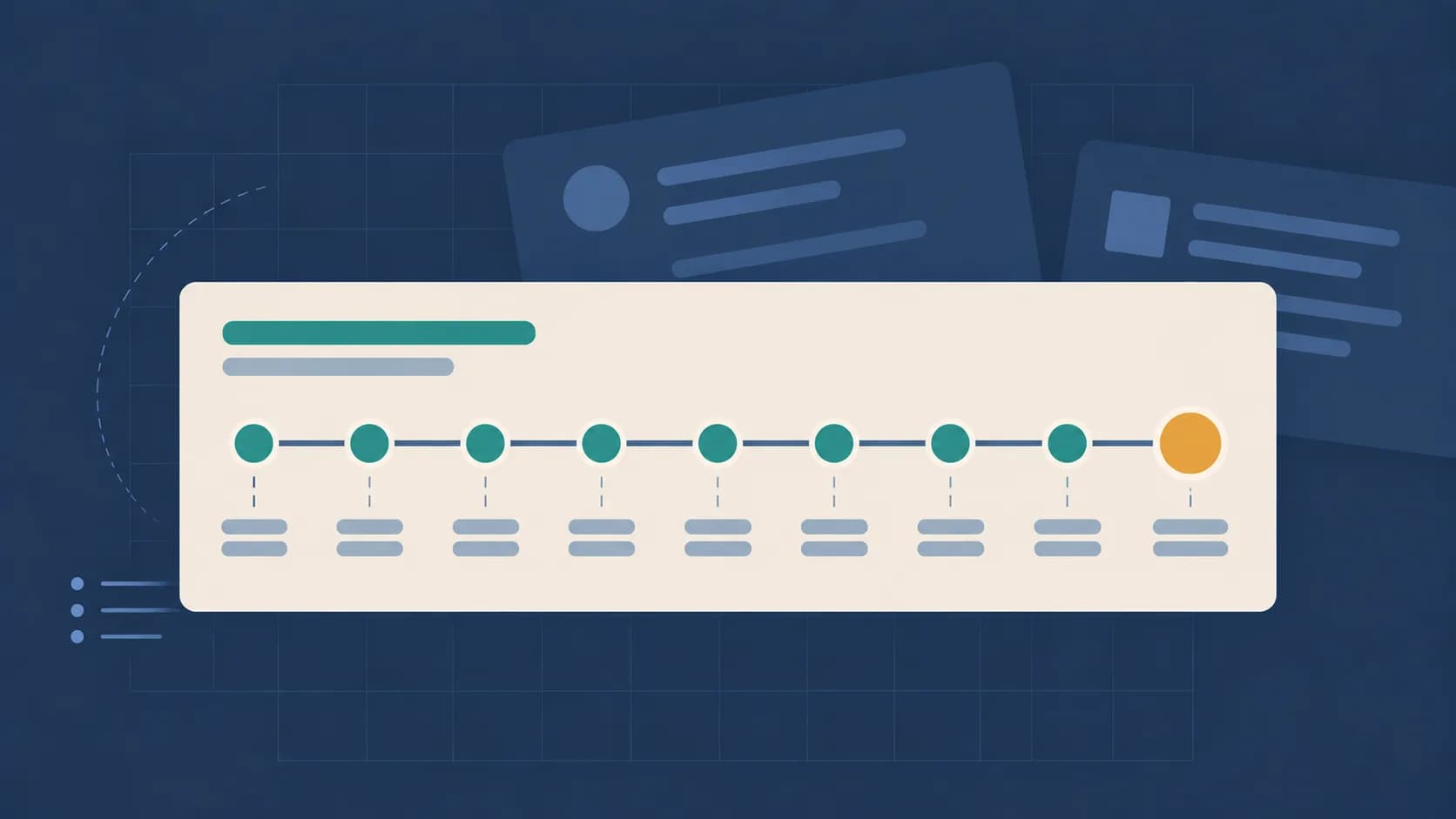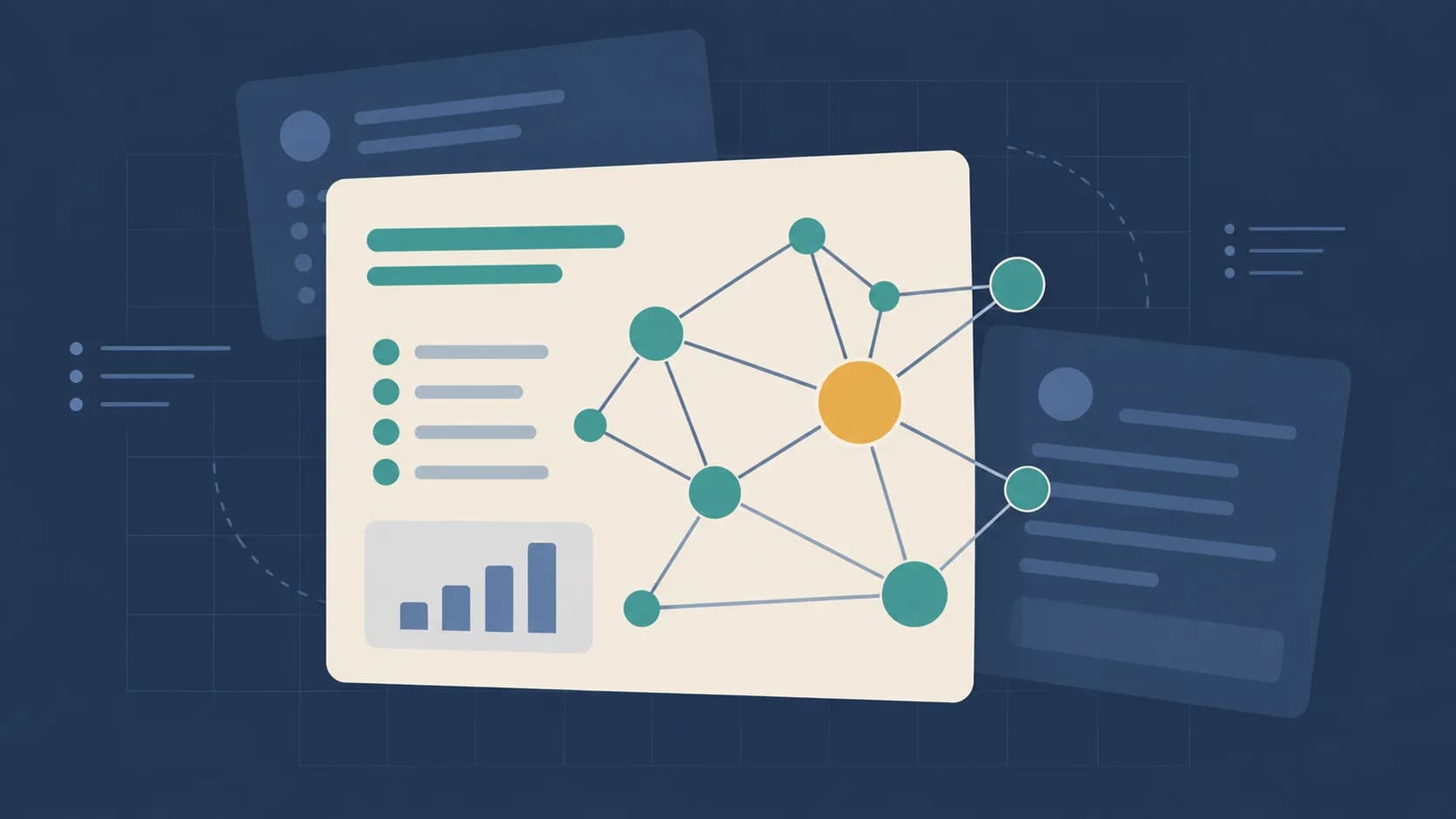
AI recruiting uses machine learning and large language models to automate parts of hiring: sourcing candidates, screening applications, ranking shortlists, scheduling interviews, and drafting outreach. It works well on volume and matching problems. It works badly on judgement problems, and most disappointment comes from pointing it at the second kind.
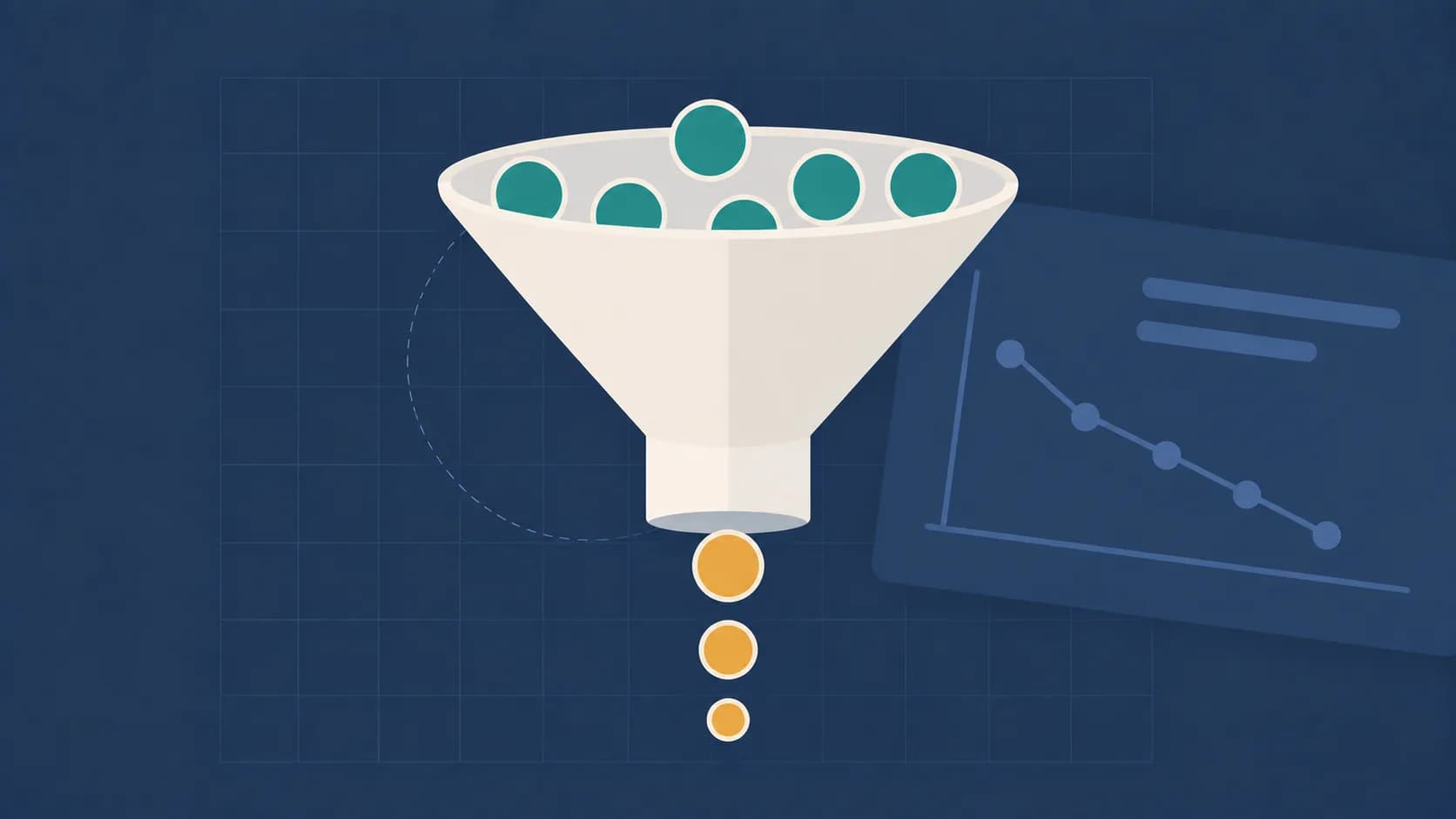
The honest summary is that AI has compressed the top of the funnel dramatically and changed the bottom of it very little. Sourcing and screening that took a team of people now takes minutes. Deciding who to hire still takes humans, and the companies claiming otherwise are usually selling something.
Want AI sourcing without building it? Goodex searches, unlocks and reaches across more than 10 million verified profiles, as a dashboard or an API into your own agent. See Goodex
What is AI recruiting?
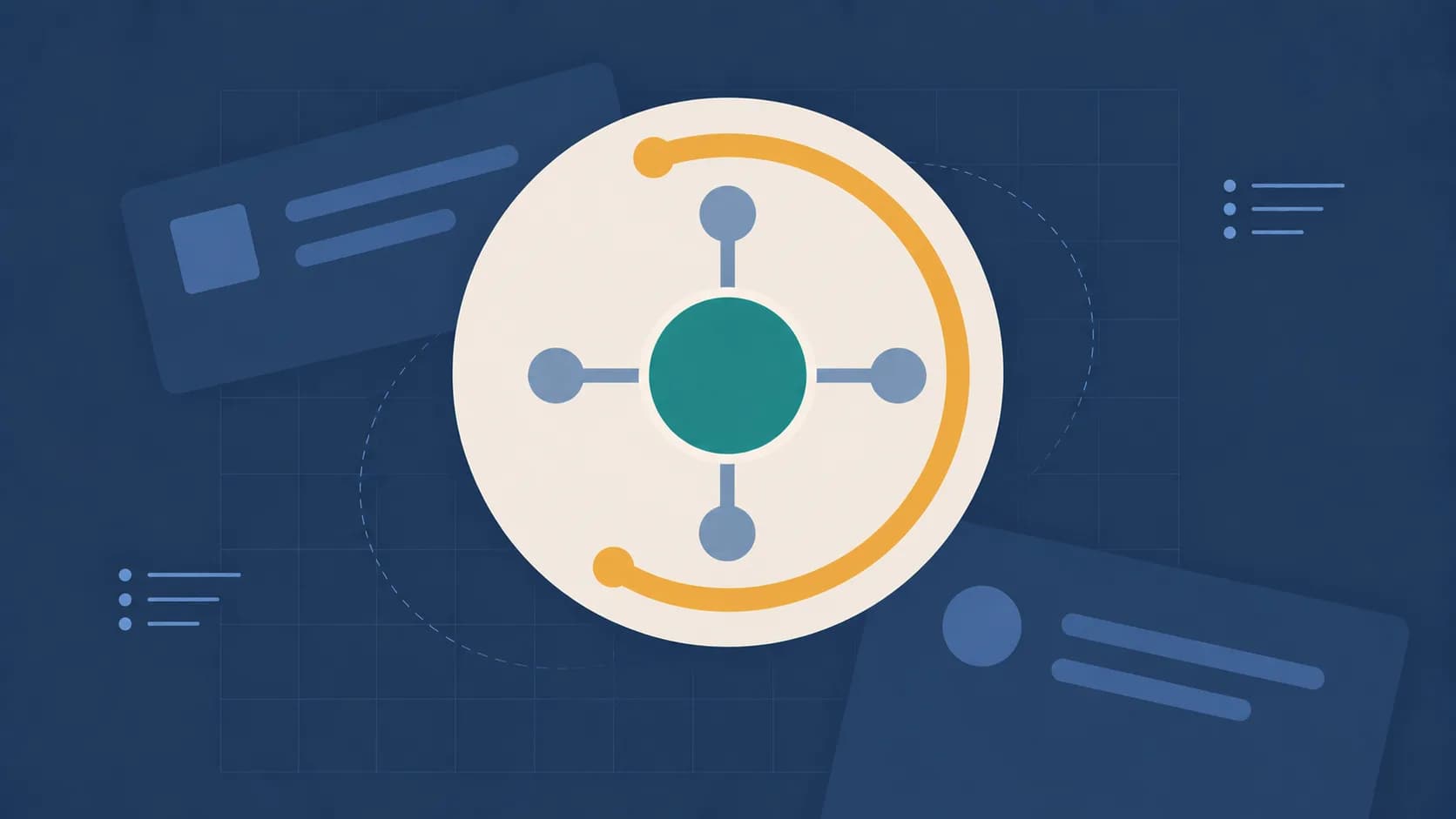
AI recruiting is the application of machine learning, natural language processing and increasingly large language models to recruitment tasks that were previously manual. It covers five distinct functions that are often bundled and should be evaluated separately.
Sourcing. Searching candidate databases and public profiles using natural language rather than boolean strings, and ranking results by fit against a role description.
Screening and ranking. Reading applications and ordering them against requirements. The highest-volume use and the one with the clearest return.
Outreach. Drafting and personalising candidate messages at scale.
Scheduling and coordination. Interview slot management, reminders, rescheduling. Unglamorous and reliably useful.
Assessment. Structured interview scoring, coding evaluation, and in some products video interview analysis. The most contested category, and the one carrying the most risk.
Treating these as one product is the first mistake. A tool that is excellent at sourcing may be poor at assessment, and buying the bundle because the sourcing demo was impressive is how companies end up with an assessment module nobody trusts.
Where does AI genuinely help in hiring?
AI helps most where the task is high volume, pattern based, and has a verifiable output. Three areas clear that bar comfortably.
Sourcing and search. This is the strongest use case. Describing a role in plain language and getting a ranked candidate list replaces hours of boolean string construction, and it surfaces candidates whose CVs use different vocabulary for the same skill. A search for a "product designer with fintech experience in Bangalore" now returns people who never used the word fintech but worked at a payments company.
First-pass screening at volume. When a role attracts 400 applications, a human reading all of them properly is not happening. The realistic comparison is not AI versus careful human review. It is AI versus a recruiter skimming for ten seconds per CV, or versus keyword filters that reject anyone who phrased a skill differently. Against that baseline, ranking is a clear improvement.
Scheduling and coordination. Boring, mechanical, and a genuine source of candidate drop-off when done badly. Automating it removes days from the process with no downside.
Drafting. Job descriptions, outreach messages, interview questions, rejection notes. Human edited, these save real time.
Where does AI recruiting fail?
It fails where the task requires judgement about a specific person in a specific context, and where the training signal is contaminated by past decisions.
Final hiring decisions. No serious practitioner delegates these. The model has no access to what your team actually needs.
Culture and motivation assessment. Frequently claimed, rarely substantiated. Inferring personality or motivation from a CV or a recorded interview is not reliable.
Video interview analysis of facial expression or tone. This is the category with the weakest evidence base and the highest regulatory attention internationally. Treat claims here with heavy scepticism.
Anything where the training data encodes past bias. A model trained to find candidates who resemble your successful hires will reproduce whatever skew existed in your past hiring. If your engineering team came from six colleges, the model learns those six colleges. This is the central risk and it is structural rather than a bug.
Assessing candidates who do not match a pattern. Career changers, people with gaps, people from unusual backgrounds. These are exactly the candidates a pattern matcher discards, and often the ones worth interviewing.
What are the bias and fairness risks?
The risk is that a model trained on past hiring decisions learns the preferences embedded in them, including ones you would not defend if stated explicitly. It then applies those preferences at scale and at speed, which makes the problem larger rather than smaller.
Concrete ways this shows up in Indian hiring:
Institution proxying. A model that learns your best performers came from a small set of colleges will rank by college. In India, college access correlates with socioeconomic background, so this becomes a proxy for something you did not intend to select on.
Employer proxying. Ranking by previous employer brand systematically disadvantages people from smaller companies who may be equally capable.
Gap penalisation. Career breaks are penalised by pattern matchers, which disproportionately affects women returning to work after caregiving.
Language and phrasing. Candidates who write CVs in a particular register score higher, which correlates with schooling rather than ability.
Photo and name signals. If the model sees them, they can influence output. They should not be in the pipeline at screening stage at all.
Practical mitigations that actually work:
- Strip name, photo, age, gender and college from the screening input. If the model cannot see it, it cannot select on it.
- Audit the output distribution, not the model. Compare the demographic and background profile of who the system shortlists against who applied. Divergence is the signal.
- Use AI to rank, not to reject. Keep a human decision at the point of elimination.
- Sample the rejections. Have a person read a random sample of what the system discarded, every month. This is the single most useful control and almost nobody does it.
- Write down your criteria before you configure the tool, so you can check whether it is selecting on them.
How do you evaluate an AI recruiting tool?
Evaluate on your own data, not on the demo. Every tool demos well on a curated dataset.
Questions worth asking:
"Can we run it against 200 of our historical applications where we know the outcome?" The only meaningful test. Does it rank the people you actually hired highly?
"What does the model see?" If the answer includes name, photo or college, ask why.
"Can we see why a candidate was ranked where they were?" Unexplainable rankings cannot be defended to a hiring manager or a candidate.
"Does it reject or only rank?" Prefer ranking with a human decision point.
"Where is candidate data stored and processed?" Under the Digital Personal Data Protection Act 2023 this matters, and cross-border processing needs a clear answer.
"What happens to our data? Is it used to train shared models?" Your pipeline is competitive information.
"What is the false negative rate?" Most vendors quote precision, which measures how good the shortlist is. Recall matters more, because a strong candidate silently discarded is invisible and uncounted.
That last distinction is the one that separates buyers who know what they are doing from those who do not.
What does this mean for candidates, and why should employers care?
Candidates now use AI too, and this changes your funnel whether you adopt anything or not.
Applications per role have risen sharply because generating a tailored CV and cover letter takes seconds. The consequence for employers is that application volume has stopped being a signal of interest, and CV polish has stopped being a signal of effort. Both were weak signals before, and they are now close to worthless.
The practical implications:
- Volume filters based on CV quality no longer discriminate usefully
- Work samples and structured assessment carry more weight than they did
- Speed matters more, because good candidates are in more processes at once
- Genuinely specific job descriptions matter more, because they filter better than requirement lists
This is the underappreciated part of AI in recruiting. The largest effect on most employers is not the tool they bought, it is the change in what arrives at the top of their funnel.
Ranked applications instead of an undifferentiated inbox. Goodspace job posting screens and ranks applicants against your actual requirement. See how it works
How Goodspace uses AI
Goodspace applies AI where the evidence supports it, at the top of the funnel, and keeps humans at the decision points.
Goodex for sourcing. Natural language search across more than 10 million verified profiles, with unlock and outreach. Available as a dashboard or as an API that plugs into your own LLM agent, which matters if you are building your own tooling rather than buying a closed product.
Job posting with AI shortlisting. Applications ranked against the real requirement rather than keyword matched, so the ordering reflects fit rather than vocabulary.
A dedicated recruiter who reviews and decides. The technology compresses sourcing and screening. A person still owns the shortlist that reaches you.
Flat success fee, so the commercial model does not incentivise volume submission.
Conclusion
AI has genuinely solved sourcing and first-pass screening, and has genuinely not solved assessment or decision making. Buy accordingly: evaluate the five functions separately, run any tool against your own historical data before committing, and prefer tools that rank rather than reject.
On fairness, the control that matters most is also the cheapest. Strip identity signals from the screening input, and read a random sample of rejections every month. If nobody in your organisation ever looks at who the system discarded, you have no idea what it is doing, and precision metrics from the vendor will not tell you.
FAQs About AI Recruiting
What is AI recruiting? The use of machine learning and language models to automate recruitment tasks including sourcing, screening and ranking, outreach, scheduling and assessment. These five functions differ greatly in maturity and should be evaluated separately rather than bought as a bundle.
Does AI recruiting actually work? It works well for sourcing, first-pass screening at volume, scheduling and drafting. It works poorly for assessing culture fit, motivation, or anything inferred from facial expression or tone in video. The gains are concentrated at the top of the funnel.
Can AI replace recruiters? No. It replaces a large share of sourcing and screening effort, which changes what recruiters spend time on rather than removing the role. Decisions about who to hire require context about your team that the model does not have.
Is AI screening biased? It can be, structurally rather than accidentally. A model trained on past hiring learns whatever skew that hiring contained, then applies it at scale. In India this commonly shows up as proxying on college, previous employer brand, or penalising career gaps.
How do you reduce bias in AI screening? Strip name, photo, age, gender and college from the screening input, audit who the system shortlists against who applied, use AI to rank rather than reject, and have a person read a random sample of rejections every month. That last control is the most useful and the most neglected.
What should I ask an AI recruiting vendor? Ask to run the tool against 200 of your historical applications with known outcomes, ask what fields the model sees, ask whether it explains its rankings, ask where data is processed, and ask for the false negative rate rather than accepting a precision figure.
Why is recall more important than precision in screening? Precision measures how good the shortlist is, which you can see. Recall measures how many strong candidates were missed, which you cannot see. A silently discarded good candidate never appears in any report, so a tool can look excellent while quietly rejecting the people you wanted.
How has AI changed the number of applications employers receive? Volume has risen sharply because candidates can generate tailored applications in seconds. The consequence is that application volume and CV polish have both stopped being useful signals, which pushes weight onto work samples, structured assessment and process speed.
Further Reading: Related Hiring and HR Guides
- AI resume screening: how it works and where it breaks
- Candidate sourcing strategies that actually fill roles
- The recruitment and hiring process in 9 steps
- How to build a talent acquisition strategy
Related Articles
- Talent acquisition vs recruitment: the real difference
- Free job posting sites in India
- Bulk hiring: how to hire 50+ people without chaos
Additional Resources
- The Digital Personal Data Protection Act 2023, for candidate data processing and cross-border transfer questions
- Your own historical application data, which is the only valid test set for evaluating any screening tool
- Your applicant tracking system's rejection logs, which are where the false negative problem is visible if anyone looks
Adding AI to your hiring this quarter?
Start with sourcing, because that is where the evidence is strongest. Try Goodex for natural language search across more than 10 million verified profiles, or see how Goodspace hires in 7 days if you want the outcome rather than the tool.