Skills to Put on a Resume Without Wasting the Space
The skills section is the most misused part of a resume. People either dump forty buzzwords into it or leave three vague lines and hope for the best. Both fail, because a recruiter spends about seven seconds on a first pass and an applicant tracking system spends none, it just scans for matches.
The right skills to put on a resume are the ones that appear in the job description and that you can actually back up in an interview. That is the whole game. This guide shows you how to separate hard skills from soft skills, mirror the job posting, get past the ATS, and pick the right skills for your specific role, whether you are a software engineer in Pune or a fresher in Chennai.
Hard Skills Versus Soft Skills
Hard skills are teachable and measurable. Python, SQL, GST filing, Salesforce, Tableau, financial modelling, Figma. These are the ones an ATS looks for and the ones a hiring manager can test.
Soft skills are how you work. Communication, stakeholder management, problem solving, ownership. They matter, but they are worthless as a bare list, because everyone claims them and nobody can verify them from a bullet point. The fix is to prove soft skills inside your experience section, "led a five person team through a two month migration," rather than asserting them in the skills box.
A good rule: your skills section should be roughly 70 percent hard skills, with soft skills carried by your experience bullets instead.
Match the Job Description, Every Time
Stop maintaining one master skills list and firing it at every job. Read the specific posting, pull out the skills it names, and reflect the ones you genuinely have back into your resume using the same words.
If the job says "experience with React and REST APIs," your resume should say React and REST APIs, not "frontend frameworks and web services." The ATS matches on exact terms, and the recruiter is scanning for the phrases they wrote. This is not gaming the system, it is speaking the same language as the person doing the hiring.
Make a two column check. In one column, list every skill the posting mentions. In the other, tick the ones you have. Put the ticked ones on your resume, ordered by how central they are to the role.
Getting Past the ATS
Most mid and large Indian companies run resumes through an ATS before a human sees them. A few habits keep you in the pile.
- Use standard section headings like Skills, Experience, Education. Creative labels confuse the parser.
- Spell out and abbreviate key terms once, for example "Search Engine Optimization (SEO)," so you match either way.
- Skip skill rating bars and graphics. Many parsers cannot read them, and a picture of five stars means nothing.
- Keep it to a clean single column where possible, since multi column layouts sometimes get scrambled on parse.
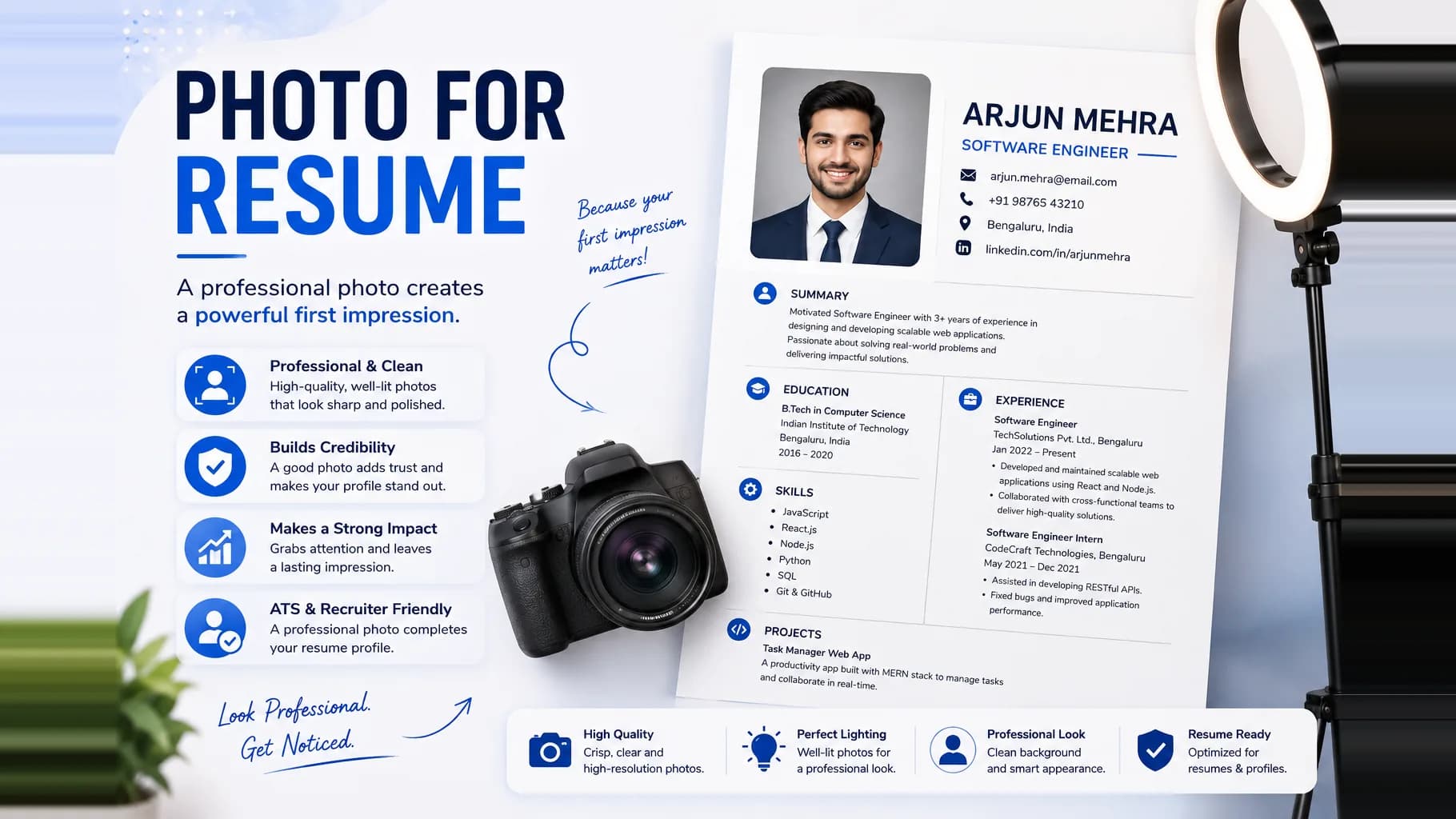
Structuring the skills section so both the software and the human read it cleanly is fiddly to do by hand. A tool like Goodspace's AI resume builder lays out an ATS friendly skills block and flags terms from the job description you are missing, which saves you from formatting guesswork and from listing skills nobody asked for.
Skills by Role
Software Engineer: Languages you actually use (Java, Python, JavaScript), frameworks (React, Spring Boot, Node.js), databases (PostgreSQL, MongoDB), tools (Git, Docker, AWS), and one honest line on testing or CI/CD if you have it. Do not list a language you touched once in college.
Sales: CRM tools (Salesforce, Zoho, HubSpot), lead generation, pipeline management, B2B or B2C depending on your track, negotiation, and any domain you sold into (SaaS, insurance, real estate). Numbers belong in your experience, not here.
Marketing: SEO, SEM, Google Analytics, Meta Ads, content strategy, email marketing, marketing automation tools, and specifics like performance marketing or brand, since those are different jobs.
Operations: Process optimization, supply chain, vendor management, Excel and advanced formulas, ERP systems like SAP, data analysis, and any compliance area relevant to your industry.
Freshers: Lean on the hard skills from your degree, projects, and internships. Programming languages, tools you used in a capstone, certifications from Coursera or NPTEL, and any real coursework project. It is fine to have fewer skills as long as each one is genuine and defensible.
What NOT to List
Cut anything that is assumed, outdated, or unverifiable. MS Word and email are not skills in 2026, they are the floor. Listing "hard working" or "team player" wastes a line and signals you did not know what to write. Avoid any skill you cannot survive one follow up question on, because getting caught bluffing in the interview is worse than never listing it.
Also drop skills irrelevant to the role. Your photography hobby does not belong on a data analyst resume unless the job specifically wants it.
Frequently Asked Questions
How many skills should I list? Around eight to twelve is a healthy range for most roles. Enough to cover the job's core requirements, few enough that each one is real and relevant.
Should the skills section go at the top or bottom? For freshers and career changers, higher up works because skills are your strongest card. For experienced professionals, your experience leads and skills sit just below or beside it.
Can I list skills I am still learning? Only if you can hold a basic conversation about them. If you truly want to flag it, label it clearly as "familiar with" rather than implying fluency, and expect to be asked.
Do soft skills matter at all on a resume? They matter, but as evidence inside your experience bullets, not as a standalone list. "Resolved a client escalation that saved the account" proves communication far better than the word communication does.
Final Thoughts
The best skills to put on a resume are specific, honest, and lifted from the job you actually want. Match the posting, favour hard skills, prove the soft ones through your work, and cut everything you cannot defend. Do that and your resume clears the ATS and earns the seven seconds of human attention that gets you the call.