In today’s competitive world, knowledge alone isn’t enough. The ability to express ideas clearly, listen actively, and work collaboratively is just as important. This is where a group discussion (GD) becomes crucial. Whether you’re preparing for campus placements, a job interview, or aiming to build stronger communication skills, understanding what is group discussion and how to master it is a must in 2026.
Group discussions aren’t limited to interviews—they’re also used in classrooms, corporate training, and even online professional spaces. They test not only what you know, but also how effectively you communicate, analyze, and lead.
Looking to kickstart your career after building strong group discussion skills? Apply directly for jobs on Goodspace.
What is a Group Discussion?
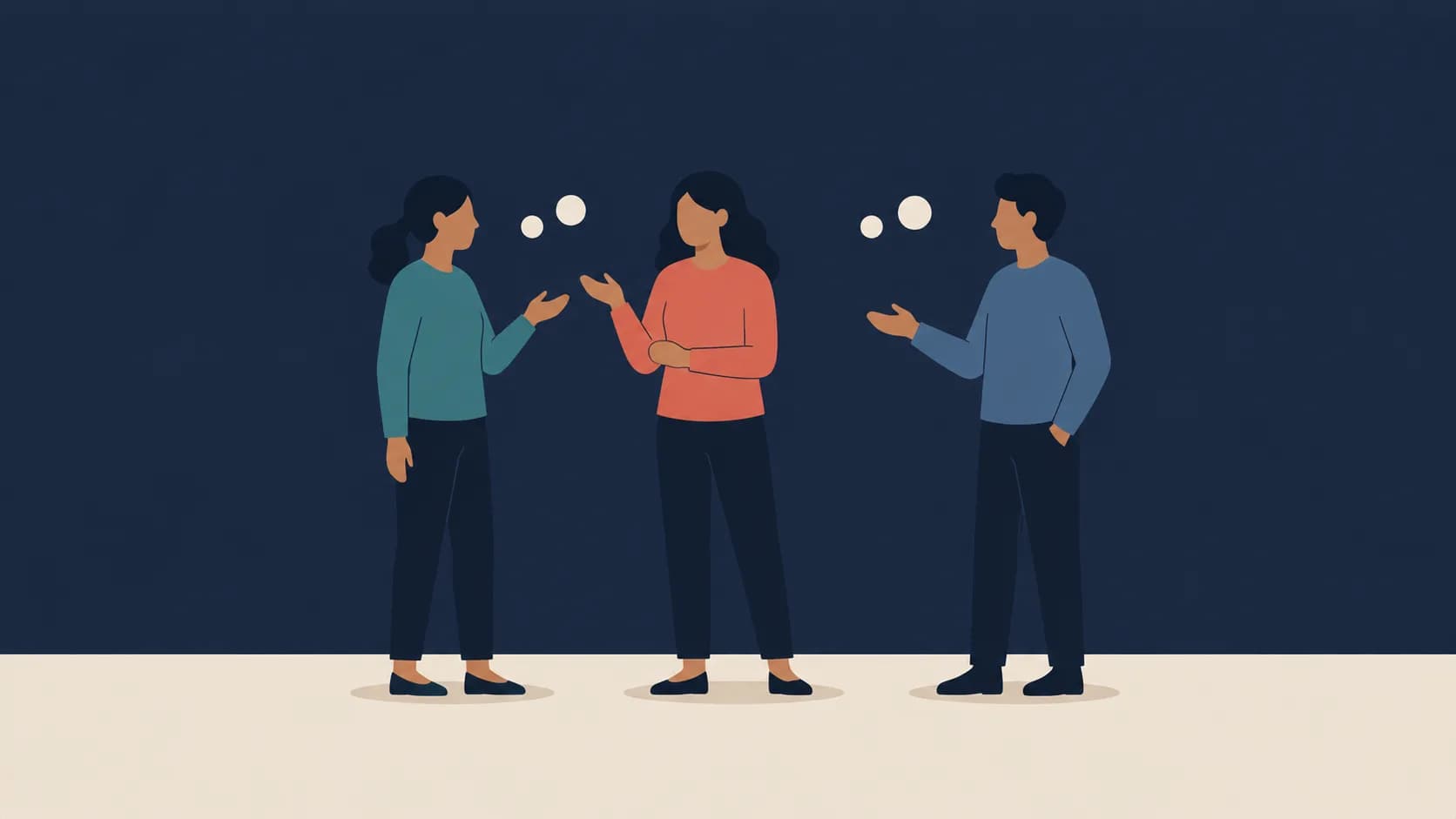
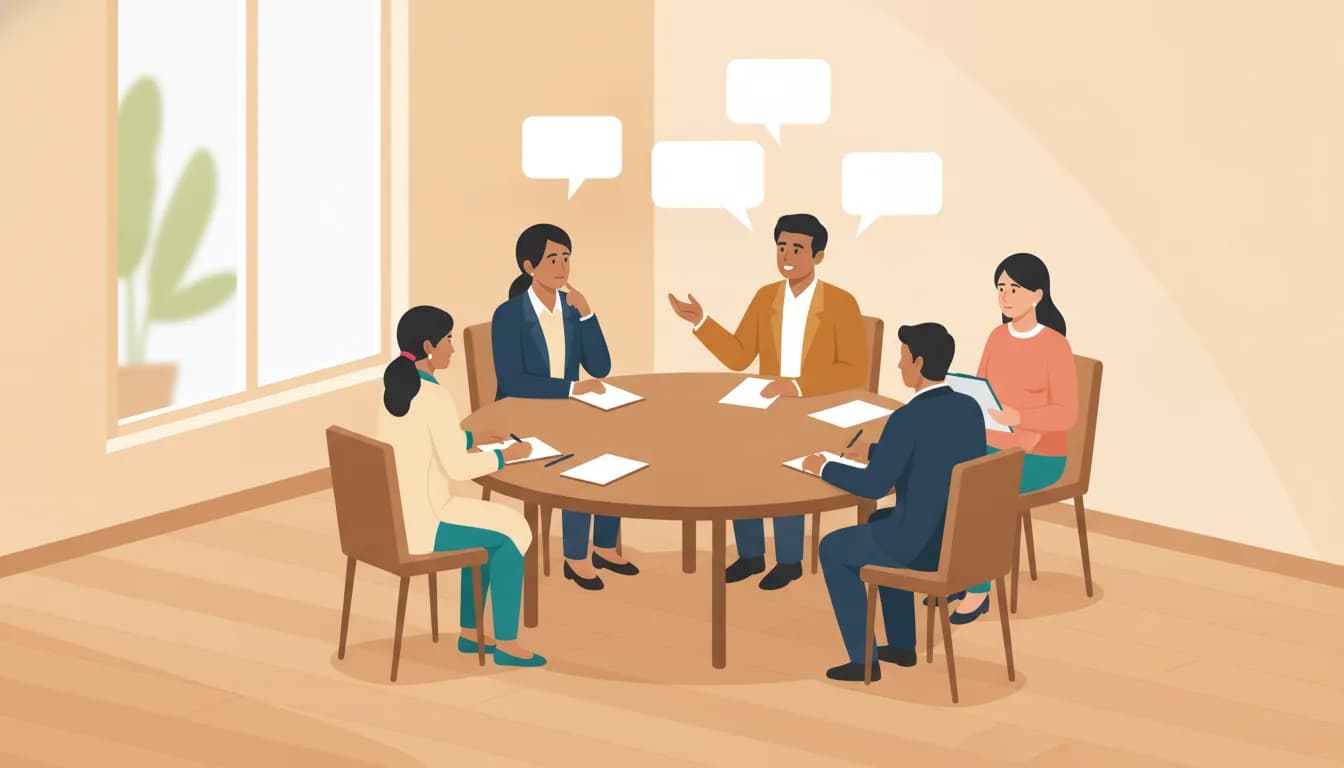
A group discussion is a structured conversation where participants exchange ideas and opinions on a given topic. It’s widely used to evaluate communication, critical thinking, and leadership skills.
- In Communication: GD improves clarity, confidence, and listening skills.
- In Interviews: GD helps recruiters identify leadership, problem-solving, and collaboration potential.
If you’re preparing for interviews, you may also find it useful to read how to answer “Tell Me About Yourself” in an Interview.
Group Discussion – Definition and What is it About?
A group discussion isn’t just about speaking—it’s about engaging constructively. It evaluates key areas such as:
- Testing Communication Skills
- Teamwork and Leadership
- Problem-Solving and Decision-Making
- Knowledge and Awareness
- Time Management
- Convincing and Persuasive Skills
- Handling Pressure
Understanding these dimensions is vital for career readiness. It also prepares you for questions like “What’s Your Weakness?”, which recruiters commonly ask to evaluate self-awareness.
What Happens in a GD Round?
A GD round usually follows this structure:
- Topic Announcement – The moderator introduces the topic.
- Preparation Time – Candidates get 1–2 minutes to gather thoughts.
- Discussion Begins – Participants share and debate opinions.
- Exchange of Views – Arguments, counterpoints, and examples flow.
- Conclusion – A final summary is reached collectively or by the moderator.
- Evaluation – Recruiters assess clarity, confidence, logic, and teamwork.
What is Group Discussion in Communication?
In communication, a GD improves:
- The ability to organize and present thoughts.
- Listening and empathy skills.
- Persuasive communication.
- Respectful handling of disagreements.
For a deeper dive into communication skills, check out our guide on Interpersonal Skills and how they shape career growth.
What is Group Discussion in Interview?
For interviews, group discussions serve as a filtering tool. Companies use them to test:
- How well candidates handle pressure.
- Whether they can lead and also collaborate.
- Their awareness of current issues and logical reasoning.
Why is Group Discussion Important in Interviews?
Group discussions reveal:
- Confidence in speaking.
- The ability to listen and adapt.
- Quick decision-making skills.
- Leadership qualities.
- Respectful disagreement handling.
If you want to make a strong impression, also read Best Ways to Answer “Why Do You Want to Join Our Company?” in a interview question.
Importance of Group Discussions
Group discussions are essential because they:
- Test real-world teamwork skills.
- Enhance knowledge on trending topics.
- Build confidence in public speaking.
- Foster leadership and persuasion skills.
- Prepare candidates for collaborative work environments.
Types of Group Discussions in 2026
Different formats are used across education and recruitment:
- Topic-Based Group Discussion
- Case Study Group Discussion
- Role-Play Group Discussion
- Debate Group Discussion
- Structured Group Discussion
- Fishbowl Group Discussion
- Group Problem-Solving Discussion
- Controversial Group Discussion
- Brainstorming Group Discussion
- Interview Panel Group Discussion
- Online Group Discussion
When is the Best Time to Speak in a Group Discussion?
The best time depends on your confidence:
- At the Start: Strong if you’re confident and well-prepared.
- In the Middle: Safe if you need time to observe others first.
- At the End: Ideal for summarizing and showing attentiveness.
Which Skills are Evaluated in Group Discussions?
Recruiters look for:
- Communication and articulation.
- Leadership potential.
- Analytical reasoning.
- Awareness of issues.
- Team spirit and listening skills.
- Time management and pressure handling.
Tips to Be Successful in a Group Discussion in 2026
- Stay updated on current events.
- Speak clearly and confidently.
- Respectfully listen and respond.
- Use examples and facts to support points.
- Maintain good body language.
- Avoid dominating or interrupting.
How to Prepare for Group Discussion
Preparation is the key to excelling in any GD round. Unlike interviews, where you’re asked questions directly, a group discussion demands that you think, listen, and speak on the spot. Here’s how you can prepare effectively:
1. Stay Updated on Current Affairs
Read newspapers, online blogs, and magazines daily. Topics related to AI, climate change, education, politics, and social media are frequent in GDs.
2. Practice Speaking Regularly
Join debate clubs, Toastmasters, or online GD forums. Even practicing with friends and family helps improve fluency and confidence.
3. Work on Communication Skills
Need to hire fast? GoodSpace's AI-powered recruitment delivers screened candidates in hours, not weeks. 7% CTC, no upfront cost.
- Focus on clarity and tone.
- Avoid jargon unless the GD is technical.
- Practice active listening and summarizing others’ points.
4. Build Knowledge Bank
Make notes on general topics for interviews such as economy, technology, and social issues. Having facts and statistics ready makes your arguments stronger.
5. Record & Self-Evaluate
Record yourself while practicing and evaluate:
- Are you speaking too fast?
- Do you repeat points?
- Is your body language confident?
6. Mock GD Practice
Form small groups with peers and simulate real GD sessions. Assign a moderator and stick to time limits for authenticity. You can also use tools like the Goodspace AI Interview, which allows you to practice interviews in a simulated environment, helping you improve confidence, body language, and response quality.
7. Master Opening & Closing Lines
Prepare a few starting lines to confidently begin a discussion and summarizing lines to conclude effectively.
Common Mistakes to Avoid in a GD Round
- Talking without facts.
- Cutting others off repeatedly.
- Staying silent throughout.
- Being overly aggressive.
- Using negative body language.
- Ignoring the time limit.
Common Group Discussion Topics – 2026 Edition
- Ethical AI and Responsible Technology
- Future of Work: AI, Hybrid Models, and Emerging Roles
- Metaverse and Digital Reality: Boon or Bane?
- Data Privacy and Cybersecurity in the Digital Age
- Mental Health and Well-being: Gen Z’s Top Priority
- Climate Change, Sustainability, and Energy Security
- Global Economy: Policies, Trade, and Geopolitical Shifts
- Electric Vehicles and Next-Gen Infrastructure
- Gig Economy and Financial Inclusion
- Education Innovations: AI-Powered, Hybrid, and Inclusive Learning
- Women Empowerment in the 21st Century
- Impact of Social Media on Society and Youth
- Artificial Intelligence and the Future of Jobs
- Work-Life Balance in a Digitally Connected World
Group Discussion Tips for Students
- Practice speaking in peer groups.
- Read newspapers and blogs daily.
- Record yourself to evaluate clarity.
- Join debate clubs or online GD forums.
- Learn to balance agreement and disagreement respectfully.
Conclusion
A group discussion is more than just talking—it’s about listening, analyzing, and collaborating effectively. From campus placements to corporate hiring, GDs test essential real-world skills like communication, leadership, and problem-solving. By practicing regularly, staying aware of current trends, and avoiding common mistakes, you can stand out confidently in any GD round.
Strong communication plays a key role in GD success. If you want to refine your speaking style, explore the 10 characteristics of a good communicator to build confidence and clarity. Pair this with smart tools like the Goodspace AI Interview, which allows you to practice answers, sharpen your delivery, and improve your performance before facing recruiters.
And when you’re ready to take the next step, Goodspace Jobs makes it easier to apply directly to roles that fit your skills and career goals. Unlike traditional platforms, Goodspace is an AI-powered career partner—helping job seekers find the right opportunities, get shortlisted quickly, and land interviews within 24 hours.
With the right preparation, the right tools, and the right platform, your next GD or interview doesn’t have to be stressful—it can be your gateway to success.
FAQs
Latest Frequently Asked Questions and Answers Related to Group Discussions :-
How long does a typical group discussion last?
Most group discussions last between 15–30 minutes, but some may go up to 45 minutes in competitive interviews. It depends on the topic and number of participants.
What do you mean by group discussion?
It’s a structured discussion where a group of people analyze a topic by sharing ideas, debating perspectives, and working towards a conclusion.
How do I ensure that I contribute effectively to a group discussion?
Contribute with clear, relevant points, listen actively, and back your statements with facts or examples. Try to add value rather than just repeating others.
What if I don’t know much about the topic in a group discussion?
Stay calm, listen first, and then contribute with logical or summarizing points. You don’t need to know everything to add value. Many recruiters also test self-awareness in interviews with questions like "What’s your weakness?", so handling uncertainty with confidence is equally important.
Is it necessary to agree with everyone in a group discussion?
Not at all. In fact, respectful disagreement can enrich the conversation. Just like when answering "Why do you want to join our company?", what matters is presenting your reasoning logically and positively, even if it’s different from others.
How can I handle interruptions during a group discussion?
Don’t lose confidence—pause, acknowledge the interruption politely, and continue when the moment feels right. Assertiveness works better than aggression.
What should I do if the group discussion gets off track?
Help redirect politely by saying something like, “Let’s come back to the main topic…” This shows leadership and focus.
Is body language important in a group discussion?
Yes, body language adds to your impression. Maintain eye contact, sit upright, and avoid negative gestures like crossing arms or looking away.
Can group discussions be conducted online?
Absolutely, online GDs are now common. Platforms like Zoom, Teams, or Google Meet are used, especially for remote interviews.
Can I use notes during a group discussion?
In formal interviews, notes are usually not allowed. However, in training or academic GDs, brief notes can help organize thoughts.
What happens if I don’t know the topic of discussion?
Listen carefully, take cues from others, and contribute logically. Also, practicing on platforms like Goodspace AI Interview helps you develop strategies to handle unexpected questions with confidence.
Is speaking first always beneficial in a group discussion?
Speaking first creates a strong impression, but only if you’re confident. Otherwise, it’s better to listen and enter later with a solid point.
How important is time management during a group discussion?
Very important—speak 2–3 times, but limit each contribution to 25–40 seconds. This ensures balance and impact.
Is it okay to disagree in a group discussion?
Yes, disagreement is healthy if done respectfully. Use polite language and logical backing instead of blunt rejection.
Why are GDs important for freshers in 2026?
GDs help recruiters judge qualities beyond academics—teamwork, adaptability, and communication. Freshers should prepare the same way they would for questions like "Tell me about yourself". Goodspace also makes the job search process smoother by letting candidates apply directly for jobs
What are the different types of Group Discussions?
They include topic-based, case study, debate, role-play, problem-solving, brainstorming, and online GDs. Each format evaluates different skills.
How can I prepare for a Group Discussion?
Stay updated on current affairs, practice mock GDs, and work on communication skills. You can even try the AI interview tool by Goodspace to practice answers and get instant feedback, which builds real confidence before campus placements or job interviews.
What are some common GD topics for freshers?
AI in education, social media impact, women empowerment, sustainability, and online learning vs offline classrooms are frequent fresher GD topics.
How can I improve my communication skills for a GD?
Read regularly, practice speaking daily, and join debate or public speaking clubs. Feedback and self-recording also help.
What are some body language tips for a GD?
Maintain good posture, keep eye contact, nod when listening, and avoid fidgeting. Positive body language adds credibility.
How long should I speak during a GD?
Each contribution should last 25–40 seconds. Quality of points matters more than the length of speaking.